
Life and Executive Coaching Versus: Which Path Fits You in 2026?
The world is moving fast, and both personal and professional landscapes are more complex than ever. By 2026, the choices you make around support and development can shape your career, leadership, and overall life satisfaction.
As more people seek guidance, the demand for life and executive coaching is surging. But how do you know which path is right for you? This article breaks down the crucial differences, surprising overlaps, and emerging trends in the coaching world.
You will gain practical, data-driven insights to help you decide which coaching approach fits your goals, whether you are a professional, entrepreneur, or simply someone seeking growth. Ready to find clarity and take action? Let us explore what matters most for your future.
Understanding Life Coaching: Empowerment Beyond the Workplace
Life and executive coaching are transforming how individuals create meaningful change both in and out of the workplace. As we look ahead to 2026, understanding the value of life coaching is essential for anyone considering professional or personal growth. Let’s break down what life coaching really is, who it’s for, and how it delivers real results.
What Is Life Coaching?
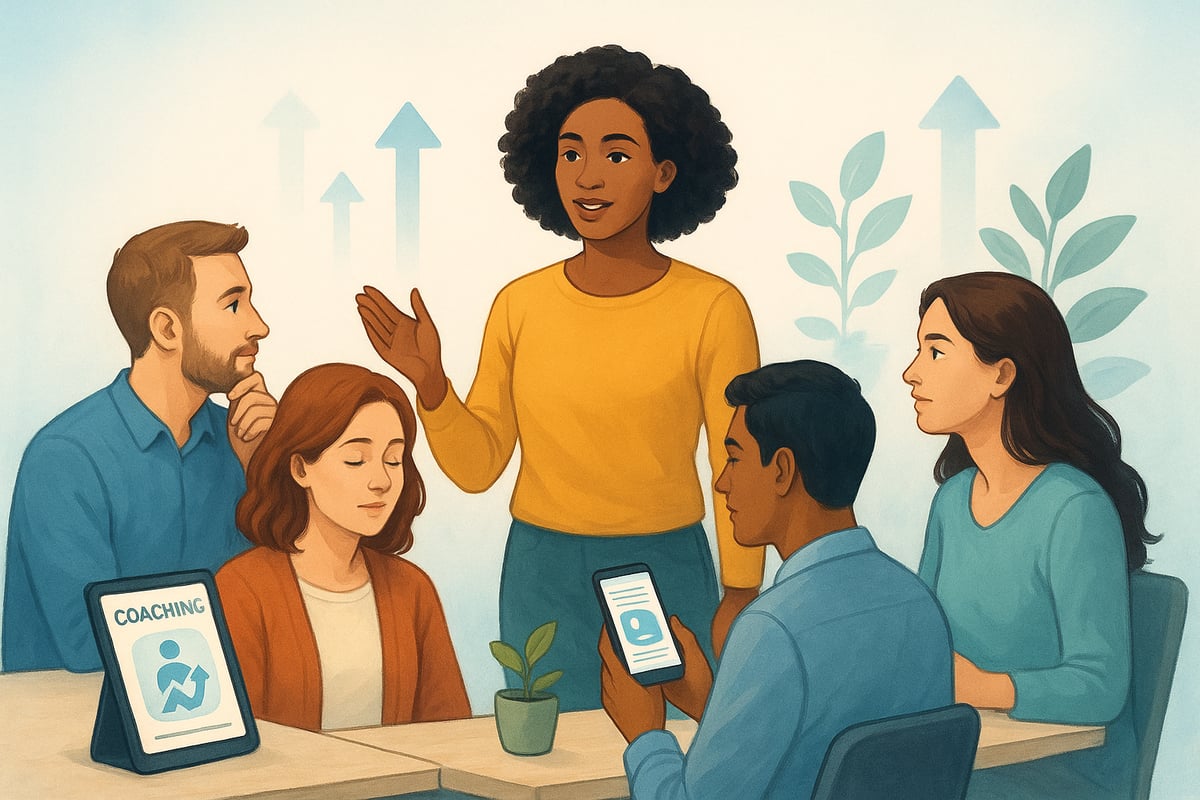
Life coaching is a holistic, client-centered process focused on helping individuals unlock their potential and move confidently toward a more fulfilling future. Unlike therapy, which often explores the past, life coaching empowers clients to set goals, overcome obstacles, and design purposeful lives. The core philosophy is about self-discovery, personal growth, and practical action.
Typical areas addressed through life and executive coaching include relationships, wellness, confidence, and navigating major life transitions. For example, a client facing a career change after a layoff might work with a coach to find clarity and direction. Life coaches often hold certifications from organizations like the International Coaching Federation (ICF), which set ethical and training standards. The global life coaching industry is thriving and continues to grow. Unlike consultants or therapists, life coaches do not give advice or diagnose—they facilitate growth through powerful questions and accountability.
Key Benefits of Life Coaching in 2026
Choosing life and executive coaching in 2026 brings a host of benefits for clients ready to invest in their well-being. Enhanced self-awareness and emotional intelligence are common outcomes, as clients gain insight into their patterns and strengths. Improved goal-setting and accountability enable people to turn dreams into achievable plans.
Life coaching also supports stress management and resilience, teaching clients to navigate setbacks with confidence. Work-life balance and greater satisfaction are often reported, especially as remote and hybrid lifestyles become more common. For instance, a client might use mindfulness and journaling exercises to adopt healthier habits. According to ICF surveys, 80% of clients experience improved self-confidence after coaching. These benefits extend beyond the office, impacting every aspect of life.
Who Is Life Coaching For?
Life and executive coaching are ideal for individuals navigating transitions, entrepreneurs seeking balance, or anyone feeling “stuck” and craving more meaning. If you’re facing career shifts, relationship changes, or health challenges, a life coach can guide you through uncertainty.
Entrepreneurs and professionals often turn to coaching to juggle personal and business roles. Signs you might benefit include a lack of clarity, recurring negative patterns, or low motivation. Demand is surging among Gen X and Millennials, but people of all backgrounds and genders find value in coaching. For example, a business owner overwhelmed by competing priorities may discover renewed focus and energy through guided sessions.
Life Coaching Models and Session Structures
When considering life and executive coaching, it’s important to understand how programs are structured. Most life coaching engagements last between three and twelve months, with sessions held weekly or biweekly. Methods include virtual meetings, in-person sessions, or group formats.
Popular frameworks like GROW, Wheel of Life, and Positive Psychology help clients map progress and set actionable goals. Coaches often use assessments, reflective exercises, and accountability tools such as progress reviews and action plans. Technology is increasingly important, with apps and AI-driven tracking supporting client journeys. Trends for 2026 include integrating wellness, spirituality, and holistic health into coaching programs.
Real-World Outcomes from Life Coaching
The impact of life and executive coaching is best seen in real-world stories. Consider a client who overcame burnout and rebuilt work-life harmony after months of exhaustion. Measurable results include achieving goals, improving relationships, and increasing overall life satisfaction.
Long-term, clients often report sustained behavioral changes and breakthroughs in self-limiting beliefs. Nearly 99% of coaching clients express satisfaction, according to ICF feedback. However, it’s important to note that coaching is not a substitute for therapy or medical advice. Many clients refer friends and colleagues, reflecting high trust and value. Life and executive coaching can be the catalyst for lasting transformation and personal success.
Executive Coaching: Unlocking Leadership and Organizational Impact
Executive coaching is rapidly becoming the gold standard for professionals aiming to transform their leadership and organizational results. In 2026, this approach goes far beyond surface-level tactics. Instead, it delivers targeted support for executives, managers, business owners, and high-potential talent. Unlike life and executive coaching in the personal sphere, executive coaching targets business outcomes, strategic thinking, and leadership effectiveness.
A CEO, for example, may work with an executive coach to refine communication, boost decision-making, and lead through uncertainty. Most executive coaches hold advanced certifications such as ICF PCC/MCC or EMCC, with many also possessing industry-specific credentials. According to the International Coaching Federation, 70% of Fortune 500 companies now utilize executive coaches, reflecting the growing recognition of coaching as both a status symbol and a strategic investment.

Defining Executive Coaching in 2026
Executive coaching in 2026 is all about empowering leaders to drive change, foster innovation, and achieve measurable business results. The focus is on leadership development, strategic vision, and organizational impact. This sets it apart from life and executive coaching that centers on personal growth or general well-being.
The primary audience includes executives, managers, business owners, and emerging leaders who want to maximize their influence. Picture a CEO improving team communication or a manager navigating a complex merger. Coaches in this space typically hold high-level certifications and deep business experience. Executive coaching is now a valued sign of leadership commitment, signaling that both the individual and their organization are invested in growth.
Core Benefits of Executive Coaching
The benefits of executive coaching are both immediate and far-reaching. Leaders experience greater confidence, enhanced decision-making, and sharper strategic thinking. Teams benefit too, with improved engagement and higher performance. Organizational alignment becomes possible as leaders learn to shape culture and inspire others.
Some of the top benefits include:
- Increased leadership effectiveness
- Improved team productivity and morale
- Stronger strategic vision and adaptability
- Organizational alignment and culture transformation
For example, an executive may overcome imposter syndrome and step confidently into a new role. Research confirms that 86% of companies report a significant return on investment from executive coaching. As the workplace becomes more complex, life and executive coaching solutions offer the edge leaders need to thrive, especially during transitions like promotions or restructuring.
Who Should Consider Executive Coaching?
Executive coaching is ideal for senior leaders facing complex challenges, entrepreneurs scaling new ventures, and high-potential employees preparing for advancement. It is also well-suited for founders tackling operational bottlenecks and leadership fatigue.
You might benefit from executive coaching if you:
- Experience leadership fatigue or burnout
- Face team friction or stalled growth
- Are preparing for a promotion or organizational change
- Want to build a stronger leadership pipeline
The demand for life and executive coaching is rising among women and minority leaders, reflecting the need for diverse perspectives at all levels. Not just for the C-suite, mid-level managers also gain from this targeted support, especially when they are ready to step into bigger roles.
Executive Coaching Process and Methodologies
A typical executive coaching engagement lasts from six to twelve months, with sessions every two weeks. The process usually starts with comprehensive assessments, such as 360-degree feedback or leadership inventories, to identify strengths and areas for growth.
Coaches work with clients to set clear goals linked to business outcomes and personal metrics. Action plans are crafted, with regular accountability check-ins and real-time feedback. Proprietary frameworks, like BOSI or Profit Architecture, guide leaders through structured development roadmaps.
Delivery methods are flexible, with a mix of in-person, virtual, and group coaching options. Life and executive coaching programs increasingly use technology, including apps and AI tools, to enhance tracking and communication, ensuring leaders stay on course.
Measurable Outcomes and ROI
The impact of executive coaching is both tangible and sustainable. Organizations report improvements in retention, profitability, and overall engagement. For example, an executive team might see higher productivity and reduced turnover after a coaching rollout.
Key outcomes include:
- Productivity gains and revenue growth
- Enhanced leadership pipelines
- Stronger organizational culture
- Reduced burnout and better team cohesion
According to client testimonials, leaders gain clarity, resilience, and the confidence to drive innovation. The long-term impact is sustainable growth and a culture that attracts top talent. Executive coaching requires commitment from both the individual and the organization, but the payoff is substantial. In fact, studies show that executive coaching yields 788% ROI, making it one of the most effective investments for ambitious leaders. As life and executive coaching continue to evolve, measurable results and data-driven outcomes will remain at the heart of successful programs.
Life Coaching vs. Executive Coaching: Key Differences and Overlaps
Choosing between life and executive coaching can feel like picking the right tool for a complex job. Both offer powerful support, but their core focus and methods differ in important ways. Understanding these differences helps you select the coaching path that truly matches your needs and ambitions.

Primary Focus and Goals: Personal vs. Professional
At the heart of life and executive coaching is the drive to empower clients, but the main focus sets them apart. Life coaching takes a holistic approach, guiding individuals toward personal fulfillment, self-discovery, and navigating major life transitions. Executive coaching, meanwhile, zooms in on professional development, leadership skills, and achieving business impact.
Both paths encourage self-awareness, goal setting, and accountability. For example, an executive may seek coaching to advance their career while also craving life balance. According to the ICF, 45% of executive clients also pursue life coaching, highlighting the overlap. The focus you choose shapes the session content and outcomes. If your main pain points are related to work, leadership, or business performance, executive coaching may be the right fit. If you're seeking clarity, fulfillment, or a fresh start in life, life coaching could be your ideal path.
| Coaching Type | Primary Focus | Typical Goals |
|---|---|---|
| Life Coaching | Personal fulfillment | Life transitions, confidence |
| Executive Coaching | Professional growth | Leadership, business results |
Techniques, Tools, and Approaches
Life and executive coaching both use structured frameworks, but their tools often reflect their unique objectives. Life coaching may include mindfulness, values exploration, or vision boards to unlock personal growth. Executive coaching relies on business-focused tools like 360 feedback, strategic planning, and leadership assessments.
Despite these differences, both types use shared techniques such as the GROW model, active listening, and accountability check-ins. Technology is transforming both fields, with apps, AI, and virtual coaching platforms making programs more accessible and personalized. Neuroscience and positive psychology are being integrated to enhance outcomes.
Personalization is at the core of both life and executive coaching. Coaches adapt methods to each client, ensuring flexibility. Whether you prefer reflective exercises or data-driven feedback, you’ll find a coaching style that fits your goals and learning style.
Credentials, Training, and Quality Standards
When seeking life and executive coaching, understanding your coach’s credentials is crucial. Life coaches often hold certifications such as ICF ACC, NLP, or wellness credentials, emphasizing holistic, client-centered methods. Executive coaches may have advanced business, psychology, or leadership qualifications, like ICF PCC/MCC or EMCC.
Accreditation matters—80% of clients value coach certification, according to the ICF. Always verify a coach’s credentials, experience, and commitment to ongoing professional development. For example, an executive coach with an MBA brings business acumen, while a life coach with a wellness background offers deep personal insight.
Look for coaches who invest in continuous learning and adhere to ethical guidelines. This ensures you’re working with a professional who can guide you safely and effectively toward your desired outcomes.
Typical Client Profiles and Use Cases
Who chooses life and executive coaching? Life coaching attracts individuals, creatives, solopreneurs, and anyone facing transitions or seeking more meaning. Executive coaching is tailored for C-suite leaders, founders, managers, and high-potentials aiming to elevate their leadership or drive business results.
Hybrid needs are common. For instance, a business owner might use life coaching to overcome personal roadblocks while leveraging executive coaching for scaling their company. According to Tandem Coaching, 30% of clients use both types at different stages.
Demand is rising among women, minorities, and diverse backgrounds, reflecting the expanding reach of coaching. Curious if you fit the profile? If you’re seeking to balance professional ambition with personal satisfaction, explore work-life balance for women leaders to see how coaching supports both dimensions.
Session Structures, Costs, and Expected Outcomes
Life and executive coaching differ in how sessions are structured and delivered. Life coaching is often more flexible, available in group or individual formats, and typically comes at a lower cost. Executive coaching engagements are highly structured, may involve teams or cohorts, and require a higher investment—averaging $10,000 to $50,000 per engagement.
Sessions can be virtual or in-person, with frequencies ranging from weekly to monthly. Results timelines vary; life coaching often delivers visible shifts in a few months, while executive coaching may take longer for organizational change.
Insurance, employer sponsorship, and tax benefits may apply, especially for executive programs. ROI also varies: life coaching brings intangible benefits like fulfillment, while executive coaching often yields measurable business outcomes. Both paths offer profound transformation, but the journey and returns are tailored to your unique goals.
When the Lines Blur: Integrated and Hybrid Coaching
Today, the boundaries between life and executive coaching are fading. Many coaches now offer hybrid programs that address both personal and professional needs. For example, "executive-life coaching" helps founders and leaders achieve holistic transformation.
There’s a 20% increase in hybrid coaching programs, according to Confide Coaching. The benefits? Seamless support, sustainable change, and a cohesive approach to growth. When considering a hybrid coach, ensure they have expertise in both domains and clarify your goals and program structure for maximum impact.
How to Choose the Right Coaching Path for You in 2026
Choosing between life and executive coaching in 2026 is a pivotal decision that can influence your personal growth, leadership journey, and overall satisfaction. With the coaching industry expanding and options more diverse than ever, making an informed choice is crucial for getting the best results. Let’s break down how to strategically assess your needs, evaluate potential coaches, select the right format, avoid common pitfalls, and discover a leading solution for women entrepreneurs.
Assessing Your Needs, Goals, and Challenges
Start with honest self-reflection. Are your biggest challenges rooted in your personal life, your professional role, or a blend of both? Life and executive coaching both offer tailored support, but clarity on your core pain points is vital. For example, if you’re a founder battling burnout, life coaching may help restore balance, while executive coaching is ideal for leaders seeking promotion or organizational impact.
Define your goals with precision. Do you want greater life satisfaction, stronger leadership, or both? According to the ICF, 67% of successful coaching outcomes begin with clear, actionable goals. Before committing, consider using self-assessment tools or coaching readiness checklists to pinpoint your needs. If you’re focused on ROI, note that executive coaching delivers up to 788% ROI, making it a compelling choice for business leaders. Remember, aligning your goals with the right type of coaching maximizes your results.
Evaluating Coach Qualifications and Fit
Credentials matter. When choosing a life and executive coaching provider, look for recognized accreditation such as ICF, relevant experience, and a proven track record in your area of need. Beyond qualifications, the personal connection is just as important. Chemistry, communication style, and shared values can make or break your coaching experience.
Interview several coaches before making a decision. Ask about their process, client results, and specialization. According to the ICF, 90% of clients say the quality of the coach-client relationship is key to their success. Red flags include lack of certification, vague methodology, or poor references. Opt for trial sessions or clarity calls to gauge fit, and always check for transparent contracts and ongoing feedback mechanisms. The right coach will empower you on your life and executive coaching journey.
Program Formats: 1:1, Group, Virtual, and Hybrid
The format of your life and executive coaching experience should suit your learning style, schedule, and budget. One-on-one coaching offers deep personalization and privacy, ideal for those seeking tailored guidance. Group coaching provides peer support and shared learning, often at a lower cost. Virtual and online programs offer flexibility and access to top coaches worldwide.
Hybrid models combine the best of both worlds, such as executive cohorts with individual check-ins. In 2025, 75% of coaching was delivered virtually, reflecting the trend toward accessibility. Consider which format aligns with your preferences and logistical needs. Whether you choose individual or group settings, ensure the structure supports your life and executive coaching goals.
Red Flags and How to Avoid Coaching Pitfalls
Not all life and executive coaching experiences are created equal. Watch for overpromising results, unclear boundaries between coaching and therapy, or coaches who push personal agendas. For instance, a coach who lacks measurable goals or ethical standards may not deliver the results you expect.
Statistics reveal that 15% of clients have negative experiences due to misaligned expectations. Protect yourself by insisting on clear contracts, confidentiality, and a well-defined process. Address dissatisfaction early and don’t hesitate to switch coaches if needed. Utilize trusted resources like the ICF complaint process or peer reviews to ensure your coaching journey remains positive and productive.
Rise Reign Rule: Strategic Coaching for Women Leaders
Rise Reign Rule is a standout choice for women entrepreneurs seeking life and executive coaching that delivers both business growth and personal fulfillment. Their proprietary Profit Architecture framework addresses positioning, sales, client delivery, and leadership boundaries, making it ideal for women-owned high-ticket service businesses.
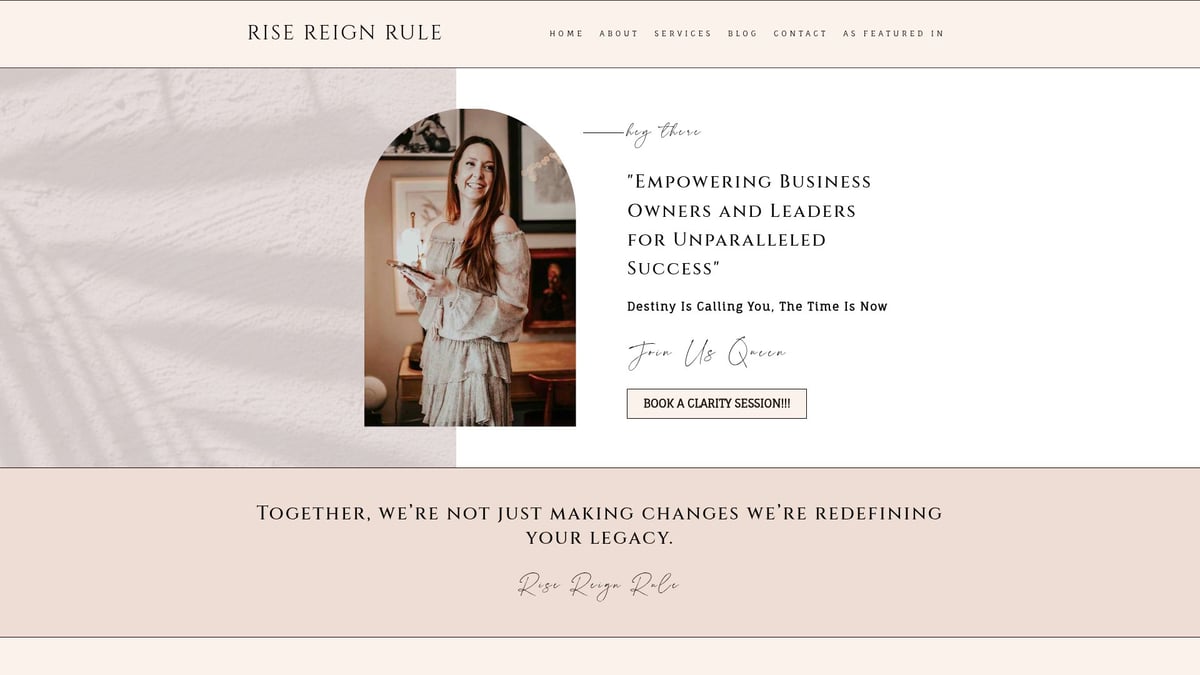
The program blends business strategy, automation, and holistic coaching, empowering ambitious women to scale sustainably while maintaining life satisfaction. Services include 1:1 and group coaching, automation consulting, retreats, and online courses. Led by an experienced founder, the vibrant community supports clients in aligning business growth with legacy building. If you want a transformative, strategic coaching experience, consider booking a clarity session to explore your fit with Rise Reign Rule.
Coaching Trends and the Future of Personal and Professional Development in 2026
As we look toward 2026, the landscape of life and executive coaching is transforming at an unprecedented pace. Driven by technology, shifting workplace norms, and rising expectations for personal and professional growth, the demand for tailored coaching solutions has never been higher.
The Evolving Coaching Landscape: Data and Predictions
The life and executive coaching industry is on track for explosive growth, projected to surpass $4 billion globally by 2026. This surge is fueled by organizations and individuals seeking clarity, resilience, and measurable progress in uncertain times.
AI-driven tools, digital coaching platforms, and data-rich assessments are becoming the norm. Hybrid coaching models, blending life and executive coaching with wellness and leadership strategies, are rapidly gaining ground. Diversity and inclusion are at the forefront, opening doors for a broader range of clients and coaches.
Recent reports highlight the sector's momentum, with the U.S. life coaching market valued at $1.5 billion in 2022 and a majority of organizations planning to boost coaching budgets. These trends signal a future where coaching is not just mainstream but essential for growth.
The Rise of Holistic and Hybrid Coaching Solutions
Clients are increasingly seeking coaches who can support both personal and professional transformations. Life and executive coaching are merging into hybrid offerings tailored for leaders, founders, and high achievers who want it all—career advancement and personal fulfillment.
Executive-life coaching, for example, blends business strategy with mindset work. This approach is especially popular among women leaders seeking to break barriers and build bridges in their industries. If you're interested in how empowerment and feminine leadership intersect with holistic coaching, explore this deep dive on empowerment through feminine leadership.
As demand grows, new certifications and multi-disciplinary teams are emerging, ensuring coaches are equipped to deliver on both fronts. The result is more sustainable growth, resilience, and satisfaction for clients navigating complex challenges.
Technology, Accessibility, and Globalization
Technology is reshaping life and executive coaching, making high-quality support accessible to anyone, anywhere. Remote coaching via video calls, AI chatbots, and digital communities has eliminated geographic barriers and connected clients with top-tier coaches worldwide.
Clients now benefit from on-demand coaching, virtual masterminds, and real-time progress tracking apps. In fact, 85 percent of clients prefer flexible, tech-enabled coaching formats. This expansion has also lowered entry barriers for those in remote or underserved areas.
However, the rise of online platforms brings new challenges, such as quality control and the proliferation of "coach-influencers." As you consider life and executive coaching, prioritize experienced, credentialed professionals who blend technology with proven methods.
Personalization and the Demand for Measurable Results
Personalization is the new gold standard in life and executive coaching. Coaches are leveraging data to tailor programs to each client's goals, strengths, and growth areas. Progress reviews, data dashboards, and KPIs are now integral to the coaching journey.
Both individuals and organizations demand clear ROI and tangible results. In 2026, 78 percent of organizations require measurable coaching outcomes before investing. This heightened accountability is transforming clients into empowered partners who co-create their success.
As life and executive coaching becomes more sophisticated, you can expect greater transparency, evidence-based practices, and a focus on sustained behavioral change. The future belongs to those who seek not just guidance, but real, data-driven transformation.
You’ve just explored the real differences between life and executive coaching, and maybe you’re starting to see where your biggest growth opportunities lie—whether that’s leveling up your leadership or finally finding that elusive balance between business and life. If you’re a woman founder ready to break through bottlenecks and build a business that supports your vision and your well being, why not take the next step toward clarity and real results? Let’s talk about your unique goals and how the Profit Architecture framework could transform your journey. Book a call and see what’s possible for you in 2026.


